

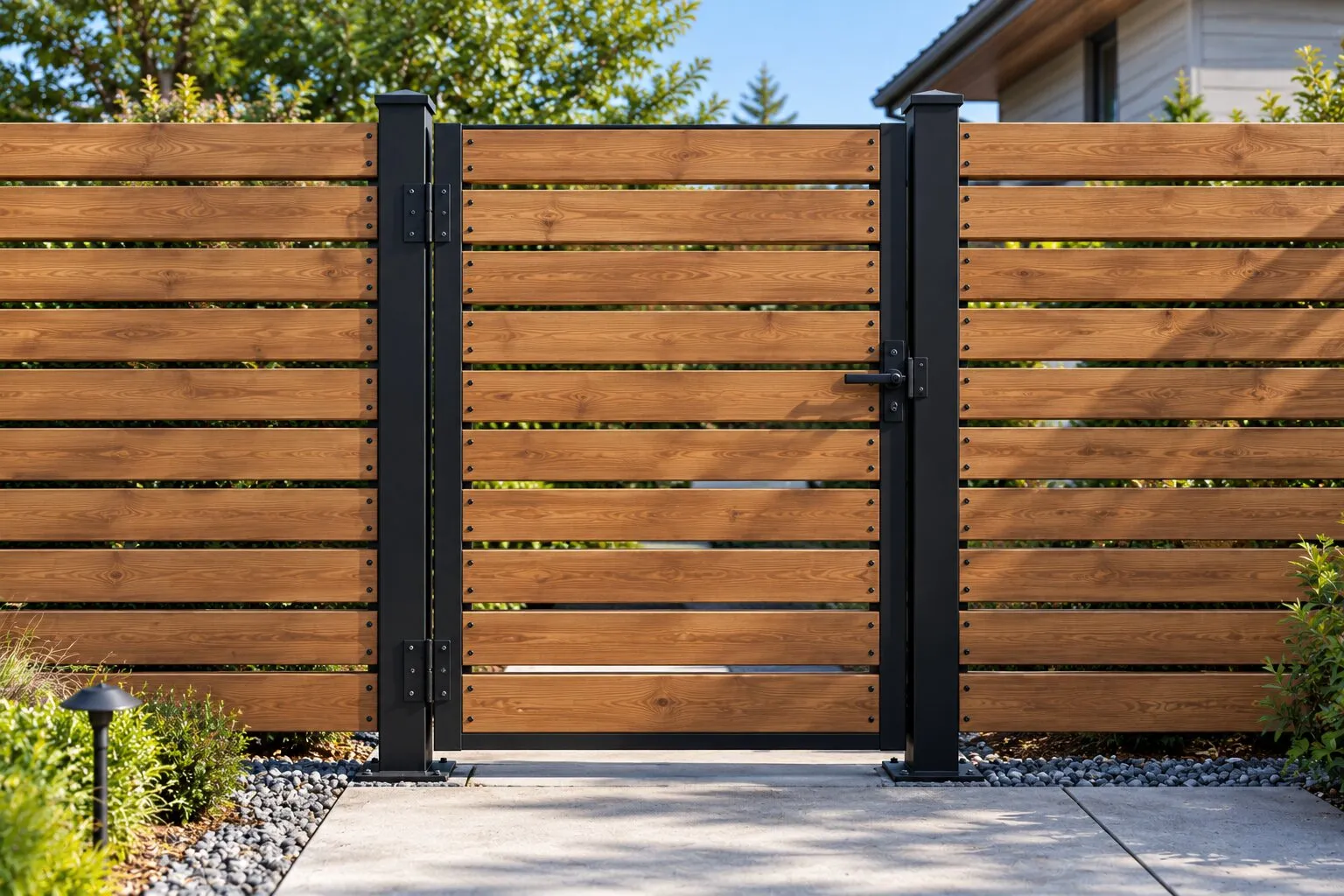
A construction site changes shape every week, and its fencing has to keep up. On day one, the fence keeps the public away from excavation and equipment. By the final phase, the same perimeter may be replaced by a permanent fence that becomes part of the finished property. Developers and general contractors who plan both stages together, often with an experienced partner such as a fence company Seattle builders already work with, avoid gaps in security and duplicated costs. They also skip the last-minute scramble when the temporary fence comes down.
What Site Fencing Has to Do
Construction fencing serves several roles at once:
-
Public safety. It keeps pedestrians, children, and curious visitors away from trenches, open floors, heavy machinery, and falling debris.
-
Theft prevention. Tools, copper, lumber, and equipment are prime targets, especially on nights and weekends.
-
Liability protection. A secure perimeter shows the site was reasonably protected if someone is injured after entering.
-
Traffic control. Gates and fencing direct deliveries, workers, and equipment to designated entry points.
-
Dust, noise, and visual screening. Screens reduce the impact on neighbors and keep the site looking orderly.
-
Code compliance. Local regulations and safety standards may require specific barriers around certain hazards.
Temporary Fencing Options
Freestanding panels. Steel mesh panels set in weighted bases are the most common choice. They install fast without digging, can be reconfigured as the site evolves, and work on paved surfaces where driving posts isn’t possible.
Driven-post chain link. For longer projects, rental chain link on driven posts provides a sturdier barrier that’s harder to tip or move.
Barricades and crowd-control barriers. These handle short-term needs, such as closing a sidewalk during a crane lift or a concrete pour.
Hoarding. Solid timber or panel walls are used in dense urban areas where sites sit right against busy sidewalks. They offer the strongest screening and can double as branded signage.
Screening and Signage
Mesh fencing can be fitted with fabric screens that cut down on dust and give the site a cleaner appearance. Screens also provide space for project branding, renderings of the finished building, contractor information, and required safety notices. On windy sites, screens add significant wind load, so the panels need extra bracing, heavier bases, or vented fabric to keep them from blowing over.
Gates and Access Points
Every entry point is a potential weak spot. Good site planning includes:
-
Vehicle gates wide enough for delivery trucks and heavy equipment
-
Separate pedestrian gates with sign-in procedures
-
Locks, chains, and controlled key or code access
-
Lighting and cameras covering the main entrances
-
Clear signage directing visitors and deliveries to the right gate
As work progresses and the layout changes, access points often need to move. Panel systems make this relatively easy, but each change should be planned so the perimeter is never left open.
Keeping the Perimeter Secure
A fence alone won’t stop determined thieves, but it greatly improves overall site security when combined with:
-
Regular perimeter checks to catch panels that have shifted, been cut, or lost their clamps
-
Clamps and anti-lift fittings that prevent panels from being separated
-
Lighting around storage areas and gates
-
Cameras and alarms, increasingly integrated with remote monitoring
-
Secure storage inside the fence for tools and high-value materials
Planning the Switch to Permanent Fencing
The handoff from temporary to permanent fencing is one of the most overlooked steps in a project. When it’s left too late, the finished property may sit unsecured between the removal of rental panels and the installation of the final fence.
Better coordination includes:
-
Designing the permanent fence early, alongside landscaping and site plans
-
Installing permanent fence sections in phases, as areas of the site are completed
-
Reusing access planning, so final gates sit where traffic patterns already work
-
Scheduling removal of temporary panels only after the permanent perimeter is secure
-
Coordinating utilities, so underground lines, irrigation, and conduits for gate automation are in place before the final fence goes in
For commercial and multifamily projects, the permanent fence may include ornamental steel, aluminum, chain link with privacy slats, or masonry, depending on security needs and design standards.
Costs Worth Weighing
Temporary fencing is usually rented by the week or month, so long projects add up. Buying panels can make sense for builders who run continuous projects. On the permanent side, materials, footings, gates, and automation drive the cost. Planning both phases together lets contractors compare total costs and sometimes install permanent fencing earlier, which reduces rental time.
A Perimeter That Grows With the Project
Construction fencing protects the public, secures equipment, and keeps the site organized from the first day of excavation. Choose temporary systems suited to each phase, keep gates and panels secure, and plan the transition to the permanent perimeter well before the project ends.
