

A tiny weight error may not seem like much. But across thousands of packs, it can waste stock and cut profit. Some packs may hold too much product, while others fall short of the target. Both issues need attention. A well-planned packing line can help prevent this daily struggle. Filling equipment measures each dose, while weighing equipment checks the result. When these tasks work together, teams gain better control over pack quality, product use, and output without adding needless steps to an already busy shift.
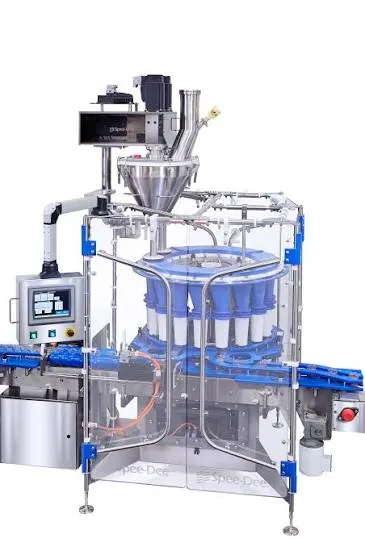
Filling With Greater Control
Powder can be tricky to handle. Fine dust may cling to parts, while some blends settle or flow at uneven rates. A Powder Filler helps measure and release a set dose into each pack. Its results depend on the product, machine settings, and care taken during setup. Staff should check fill levels at the start of a run and after any change. Even a small shift in powder flow can affect the dose. Careful setup gives the line a sound base before packs move on.
Weight Checks At Full Pace
Once packs leave the filling stage, their weight needs a close look. High Speed Checkweighers weigh items as they travel along a moving belt. They can flag packs that fall outside set limits, helping staff spot faults before too many items pass through. The key is to match the weighing unit to the line speed and pack size. If the system cannot keep pace, packs may back up. A suitable model checks each item quickly while keeping the flow steady and the results useful.
Why Both Machines Matter
Filling and weighing serve different roles, yet each supports the other. The filler controls how much product goes into a pack. The checkweigher tests whether the final weight meets the target. This second check can reveal changes that the filling stage alone may miss. For example, powder flow may shift as a hopper empties, or a setting may drift during a long run. Weight data can help staff find such patterns. They can then adjust the process before the same fault affects a large batch.
Line That Runs Smoothly
Good results depend on more than the machines themselves. The gap between each unit, belt speed, pack spacing, and reject system all need thought. A pack must reach the scale in the right position, and any item outside the set range must be removed safely. Staff also need clear alerts and easy access for cleaning. Trial runs with real products can show where delays occur. These checks help firms build a line that handles daily demand without creating extra work or making faults harder to trace.
Conclusion
Reliable packing comes from steady control at every stage. A good setup helps teams spot errors early, limit waste, and keep output on track. Regular checks still matter, as no machine can replace sound work habits. Staff should review weight records, clean parts as needed, and act when results shift. With clear settings and a layout that suits the product, firms can protect quality while making better use of time, materials, and labour each day.
