

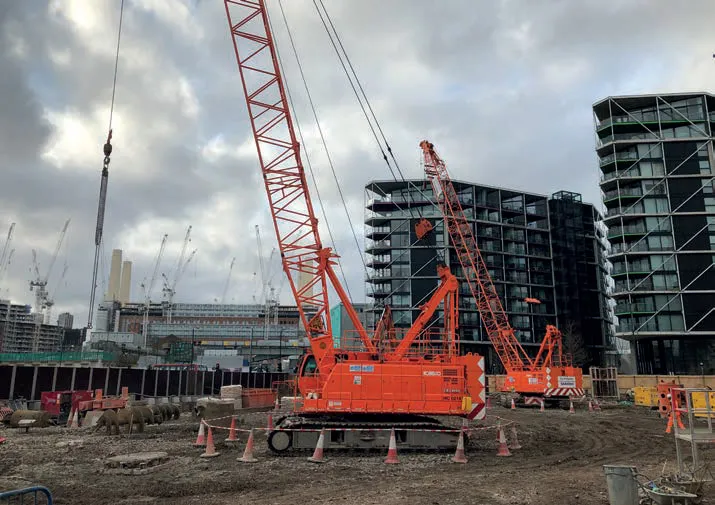
Receiving a large machine or fabricated component at a project site is only the beginning of the movement process. The load may still need to be unloaded, transferred across the site, lifted over obstacles and positioned accurately for installation. When these individual stages are treated separately, coordination problems can arise between transport, lifting and installation teams.
A better approach is to consider the complete journey before the equipment arrives. Companies arranging Crane Hire in Chennai for industrial or construction work can begin by mapping how a load will move from its delivery point to its final position.
Start Planning Before the Delivery Vehicle Arrives
Transport and lifting schedules should work together. If a truck arrives before the lifting area is ready, both the vehicle and load may remain on site longer than planned. The unloading position should be identified beforehand. Teams need to determine whether the delivery vehicle can reach the intended area and whether sufficient space will remain for lifting equipment to operate.
Planning these movements is especially valuable at busy sites where internal roads are shared by workers, contractors and other deliveries.
Understand the Complete Load Profile
A machine cannot be assessed using weight alone. Its length, width, height, centre of gravity and available lifting points can all affect how it is handled. Project teams should also establish whether the equipment will arrive as one complete unit or as separate components. The answer can influence the number of lifts and the sequence in which they occur.
Where specialised machinery is involved, the final orientation may also matter. Positioning a load correctly during the initial lift can simplify later installation work.
Map the Route to the Installation Area
After unloading, the next question is how the equipment reaches its destination. In some projects, the crane can move the load directly into position. In others, site restrictions may require several carefully coordinated stages.
Existing buildings, plant equipment, temporary structures and limited clearances can influence the available route. These restrictions should be identified before the lift begins rather than discovered while the load is suspended or waiting for movement.
Radha Cranes lists factory-to-foundation movement among its service areas, reflecting the broader planning involved in taking equipment beyond basic loading or unloading.
Choose Equipment Around the Actual Lift
Different stages of a project can create different lifting requirements. Mobile or telescopic equipment may provide flexibility in certain working environments, while crawler cranes may be considered where the characteristics of the project require them.
When evaluating Crane Rental in Chennai, project managers should therefore provide information about working radius, required lifting height, load characteristics and site restrictions rather than focusing only on tonnage. The objective is to match equipment with the actual work that needs to be completed.
Coordinate the People Waiting at the Other End
A successful lift does not finish when machinery reaches its destination. Installation teams may need to align it with foundations, connect components or perform additional assembly. Those teams should be ready when positioning begins. Otherwise, lifting equipment may remain occupied while unrelated preparation work is completed.
Clear communication between transport, lifting and installation personnel helps each stage follow the previous one without avoidable waiting.
Make Shutdown Lifts Part of the Wider Schedule
Industrial shutdowns often involve several activities taking place within a limited period. Equipment removal, maintenance and replacement work may all depend on a carefully organised sequence. If a crane is needed to remove an old component before another team can begin work, delays at that stage can affect subsequent tasks.
Lift planning should therefore be integrated into the shutdown schedule instead of being treated as a separate booking.
Allow for Practical Changes
Even detailed plans need some flexibility. Site conditions can change as construction progresses, delivery schedules can move, and another contractor may temporarily occupy an expected working area.
Reviewing the lifting plan close to the scheduled date helps teams identify significant changes. Updated information can then be communicated before equipment is mobilised. This simple step can prevent an earlier site assessment from becoming disconnected from current conditions.
Conclusion
Heavy equipment movement works best when transport, lifting and installation are considered as parts of one process. The delivery point, movement route, operating area and final position should all be understood before work begins.
By planning the entire journey of a load, project teams can coordinate people and equipment more effectively. This approach is useful for machinery installation, construction components, industrial maintenance and other projects where heavy items must move accurately through a working site.
