

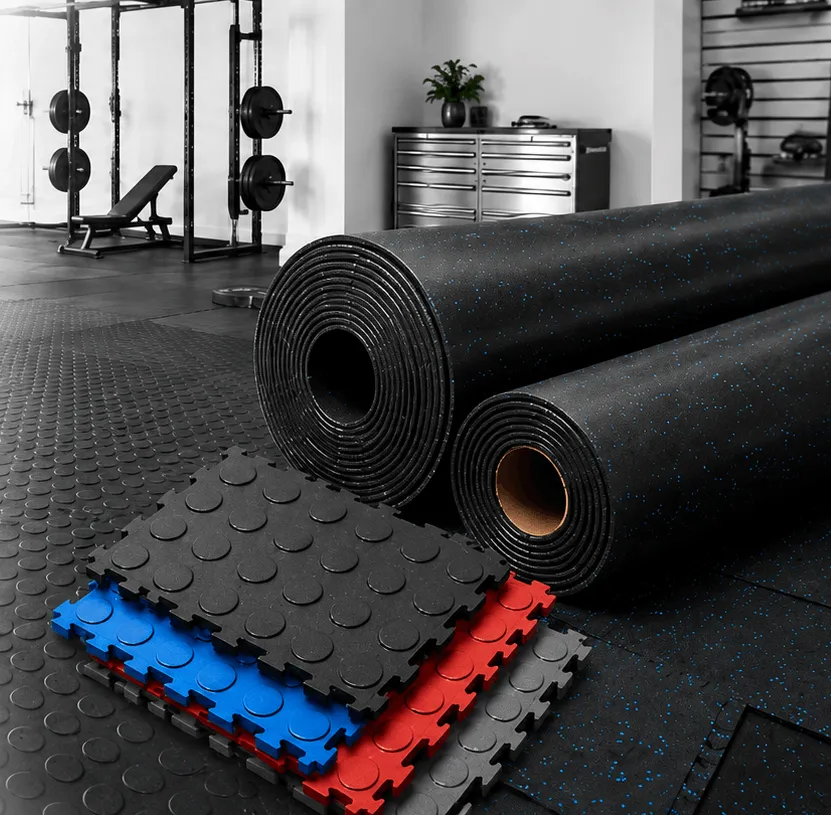
Certain areas require a flooring surface capable of accommodating frequent traffic, equipment, dirt and general use without undue maintenance hassles. There are various flooring needs for workshops, fitness areas, play spaces, work zones, and utility areas. These settings present opportunities for removable or modular surfaces to be helpful. Knowing the interlocking mat functions and their ideal application can help you determine if this kind of flooring is right for you.
Understand How Interlocking Mats Work
The mats are made in interlocking mats with connecting edges so that the individual mats can be joined together. Users don’t need to use one continuous sheet to cover a large area, but can construct a larger surface from individual sections.
This format can help to simplify the installation process, particularly if the area is simple to install. Single pieces can also be more easily handled than large sections of flooring.
The exact connection design may be different for each product, so the degree of secure connection and the suitability for the activity should be checked.
Consider the Environment
Rubber matting is dependent on the site to be effective. Equipment protection and frequent movement may be required for a workshop, or cushioning and surface stability may be required for an exercise space.
Rubber Mats can be used in locations where a hard, usable surface is required. They can also be beneficial in areas with heavy foot traffic or when equipment is occasionally moved.
Consider the situation of the floor before selecting a product: moisture, dirt, temperature, traffic and the nature of the work.
Look at Traffic Levels
All areas are not used the same amount each day. A small home workspace might have fairly light traffic, whereas a commercial workspace might have people walking around the floor all day long.
Think about the frequency of walking across the surface and if heavy items will be placed on the surface on a regular basis. Floors in high-use areas are typically chosen based on the anticipated usage.
It is also important to determine particular traffic hot spots. High traffic areas like entrances, equipment areas, and often workstations can be under more pressure than other areas.
Think About Equipment
Concentrated loads may be generated by equipment which are not generated by normal foot traffic. Flooring may become overused in specific areas due to the use of exercise equipment, workstation equipment, storage, and other heavy equipment.
Interlocking Rubber Mats can be used in areas where extra surface protection is required in order to create a modular approach. But the product should still be chosen based on its application and load requirements as stated.
Take into account the weight of equipment and whether it will be stationary or move regularly over the surface.
Pay Attention to Surface Conditions
Preparation of the floor under the mats must be done prior to the installation of the mats. The final surface may be affected by dust, loose debris, moisture or large surface irregularities.
A relatively clean and flat foundation will make installation easier. The surrounding area should also be inspected to see if moisture or dirt may be able to get under the mats.
If the floor will be exposed to frequent spills or outdoor debris, the cleaning routine should be planned before installation.
Consider Cleaning and Maintenance
Rubber surfaces can collect dust, dirt, and other debris during regular use. The maintenance requirements should therefore form part of the selection process.
Think about how easily the mats can be lifted, cleaned, and returned to their position. Modular flooring can be useful when individual sections need attention without disturbing an entire floor area.
Always follow the manufacturer’s care instructions and use cleaning products that are suitable for the particular material.
Check Installation and Replacement
A modular floor offers one benefit: working with individual pieces instead of the whole floor. May be useful in planning areas that are irregular in shape, or in planning different activity areas.
When installing, ensure that the room is measured and that the pieces will fit around walls, equipment, entrances and fixed objects.
It is also sensible to understand how individual sections can be removed if they become damaged or need replacement later.
Match the Mats to the Space
The right flooring choice depends on what the surface needs to handle every day. Traffic, equipment, moisture, cleaning, installation, and available space should all be considered together.
Interlocking mats can be particularly practical where flexibility and manageable installation are important. They may suit selected workshops, exercise areas, utility spaces, and other demanding environments when the product specifications match the application.
Conclusion
Interlocking rubber flooring can be a solution for areas where a functional and flexible floor is desired. Interlocking Rubber Mats can be beneficial when it’s easier to install, maintain or change in the future, and Rubber Mats can be appropriate for an everyday surface that needs to be durable. Prior to selecting a product, always keep in mind traffic, equipment, floor conditions, cleaning and installation requirements. For areas that require tough flooring in South Africa, there’s more to explore at pvcfloortile.co.za.
